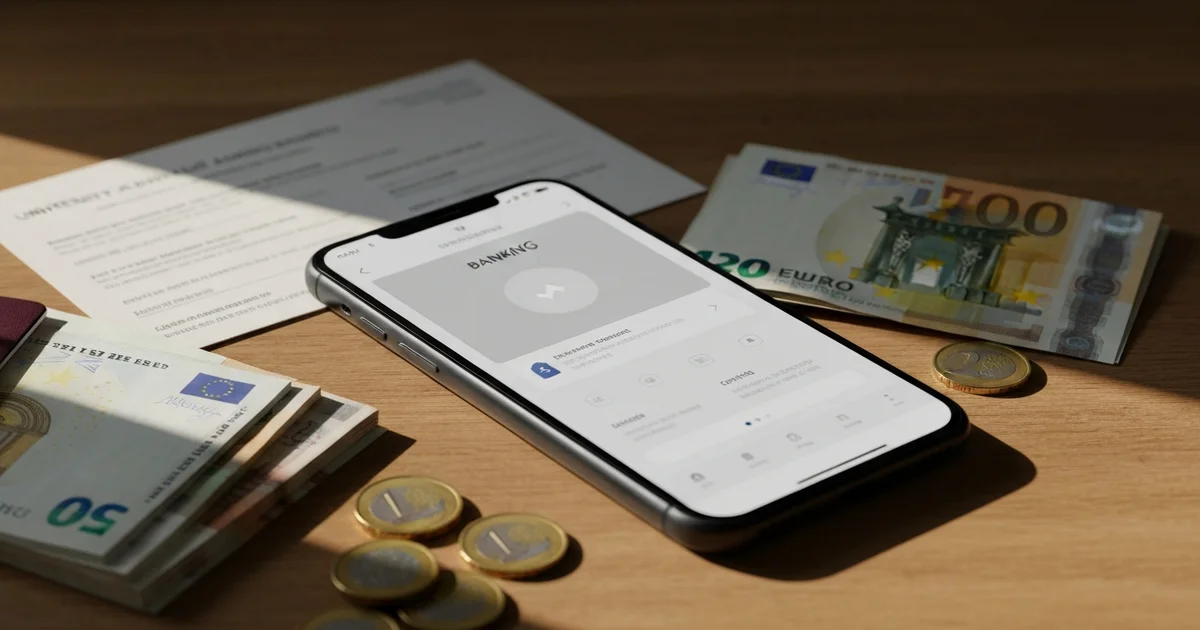
German Student Visa 2026: Complete Step-by-Step Guide
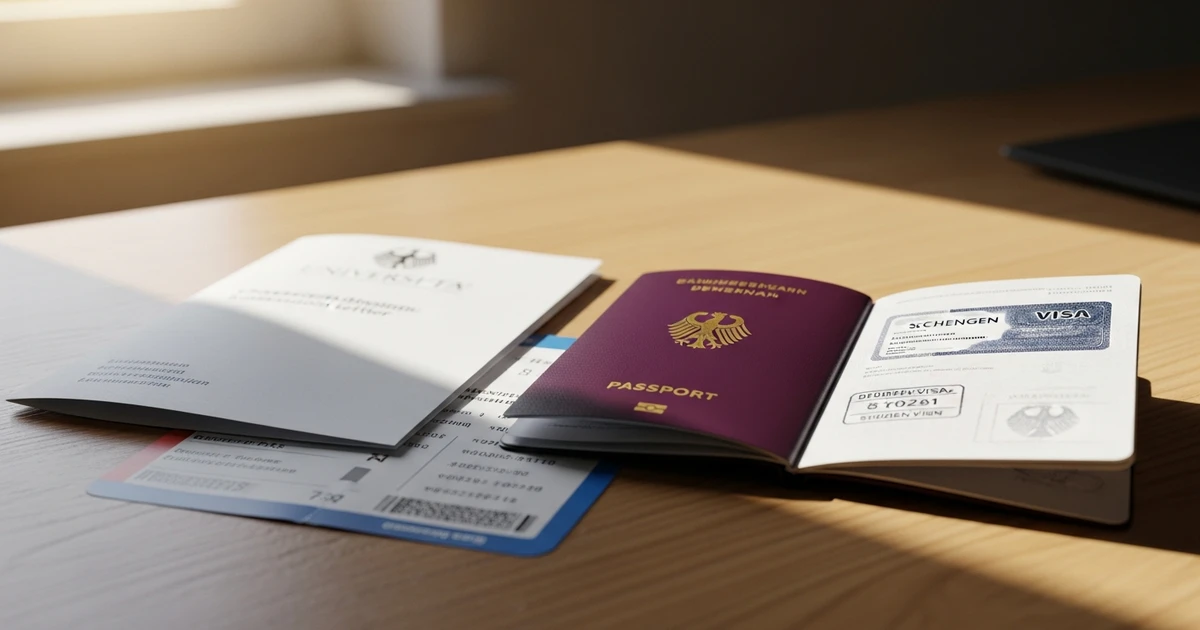
TL;DR: You'll need a national Type D student visa (apply before travel unless you're visa exempt). Prepare a Sperrkonto (blocked account) with €11,208, university admission (Zulassungsbescheid), health insurance, and APS if required. Book an embassy appointment early (peak: April-July); processing takes 4-12 weeks (up to 16 in some places). After arrival register and convert your visa to a residence permit at the Ausländerbehörde.
Getting a German student visa is one of the most important steps in your journey to study in Germany. While the process can feel overwhelming, especially with German bureaucracy, it is straightforward if you follow the right steps. This guide covers everything international students need to know about the German student visa for 2026: types, requirements, documents, costs, processing times, and common mistakes to avoid.
Do You Need a Student Visa for Germany?
It depends on your nationality:
- EU/EEA/Swiss citizens: No visa needed. You can study freely in Germany.
Citizens of USA, Canada, Australia, New Zealand, Japan, South Korea, Israel: You can enter Germany visa free and apply for a residence permit after arrival.
- All other nationalities (India, Pakistan, Bangladesh, Nigeria, China, etc.): You must obtain a student visa from the German Embassy/Consulate in your home country before travelling to Germany.
Types of Student Visas
| Visa Type | Purpose | Duration | Can Convert to Residence Permit? |
|---|---|---|---|
| Student Visa (Visum zu Studienzwecken) | You have a confirmed university admission | 3-6 months (converted to residence permit after arrival) | Yes at the Ausländerbehörde |
| Student Applicant Visa (Visum zur Studienbewerbung) | You need to attend entrance exams or apply in person | 3-6 months | Yes if you get admission |
| Language Course Visa | Intensive German language course (min 18 hrs/week) before university | 3-12 months | Yes if you then get university admission |
Important: A Schengen tourist visa (Type C) does NOT allow you to study in Germany. You must have the correct Type D national visa.
Required Documents Checklist
Prepare these documents before your embassy appointment:
Valid passport must be valid for at least 12 months beyond your planned stay. Should have at least 2 blank pages.
Completed visa application form the Videx form, available online from the German Embassy website.
2 biometric passport photographs 35x45mm, white background, taken within the last 6 months.
University admission letter (Zulassungsbescheid) or conditional admission letter. Must be from a recognised German university for a full-time, on-campus programme.
Academic certificates degree certificates, transcripts, and mark sheets (originals + certified copies).
- APS certificate, mandatory for students from India, China, Vietnam, and Mongolia. Read our APS guide. Students from other countries do not need APS.
Proof of financial resources one of the following:
Blocked account (Sperrkonto) with €11,208 deposited (most common)
Scholarship award letter covering at least €934/month
Formal obligation letter (Verpflichtungserklärung) from a German resident
Parents' bank statements + sponsorship declaration (accepted by some embassies)
Advertisement
- Health insurance, travel health insurance for arrival period + proof of German statutory health insurance enrollment (or intent to enroll). Cost: ~€140/month.
Language proficiency proof, IELTS, TOEFL, or Duolingo for English-taught programmes; TestDaF or DSH for German-taught programmes. Alternatives to IELTS.
Motivation letter explaining why you chose this programme and university, your academic background, and career plans. 1-2 pages.
CV / Resume German-style tabular format preferred.
Visa fe currently €75 (paid at the embassy appointment, non-refundable).
Step-by-Step Application Process
Step 1: Get Your University Admission
Apply to German universities through uni-assist or directly. Once you receive your Zulassungsbescheid (admission letter), you can begin the visa process.
Step 2: Open a Blocked Account
Deposit €11,208 in a blocked account (Sperrkonto) with Expatrio, Fintiba, or Deutsche Bank. This takes 1-2 weeks. You'll receive a confirmation letter (Sperrbescheinigung) needed for the visa.
Step 3: Get Health Insurance
Arrange travel health insurance for your arrival period. Also get a confirmation of intent to enroll in German statutory health insurance (TK, AOK, or Barmer). Some blocked account providers bundle this.
Step 4: Book an Embassy Appointment
Book your visa appointment at the German Embassy or Consulate in your country. Book early, appointment slots fill up weeks in advance, especially during peak season (April-July for winter semester).
| Country | Embassy/Consulate | Booking Method |
|---|---|---|
| India | New Delhi, Mumbai, Chennai, Kolkata, Bangalore | VFS Global online booking |
| Pakistan | Islamabad, Karachi | Embassy website |
| Bangladesh | Dhaka | Embassy website |
| Nigeria | Abuja, Lagos | Embassy website / VFS |
| China | Beijing, Shanghai, Guangzhou, Chengdu, Shenyang | Embassy website |
Step 5: Attend Your Visa Appointment
Bring all original documents + copies. The appointment includes:
- Document review by a consular officer
- Brief interview (why Germany, study plans, financial situation)
- Biometric data collection (fingerprints, photo)
- Payment of €75 visa fee
Tips: Dress formally. Be honest and concise. Know your programme details (university name, city, start date, duration). Bring documents in a clearly organized folder.
Step 6: Wait for Processing
Processing times vary:
| Season | Typical Processing Time |
|---|---|
| Off-peak (September-March) | 4-6 weeks |
| Peak season (April-August) | 6-12 weeks |
| Some embassies (India peak) | Up to 16 weeks |
Apply at least 3 months before your intended departure.
Step 7: Arrive in Germany & Get Residence Permit
After arriving:
- Complete Anmeldung (city registration) within 14 days
- Enroll in health insurance
- Open a German bank account
- Visit the Ausländerbehörde to convert your visa to a residence permit (Aufenthaltserlaubnis)
Visa Costs Breakdown
| Cost Item | Amount | Notes |
|---|---|---|
| Visa application fee | €75 | Non-refundable, paid at embassy |
| Blocked account deposit | €11,208 | Returned monthly (€934/month) after arrival |
| Blocked account setup fee | €49-€159 | Depends on provider (Expatrio/Fintiba) |
| Health insurance (travel) | €30-€50 | Covers arrival period |
| APS certificate (India/China) | ~€200 / 2,500 RMB | Only for India, China, Vietnam, Mongolia |
| Document attestation | €20-€50 | Notarized copies of certificates |
| Passport photographs | €5-€15 | Biometric format required |
| Total (approx.) | €11,600-€11,800 | Most is the blocked account (returned to you) |
Common Reasons for Visa Rejection
Insufficient financial proof like blocked account amount incorrect or bank statements don't show enough funds
Incomplete documents such as missing APS certificate, expired language test, unsigned forms
Unclear motivation vague motivation letter, no clear academic or career plan
Programme not recognised by german Government and programs that are online-only, hybrid, or weekend courses are rejected. Must be full-time, on-campus at a recognised university.
Inconsistent information dates or details don't match across documents
Expired passport must be valid for 12+ months
- Late application, applying too close to the semester start date
After Graduation: 18-Month Job Seeker Visa
One of Germany's biggest advantages: after completing your degree, you receive an 18-month post-study residence permit (Section 20(3) AufenthG) to stay and work in Germany. During this period, you can work any job without restrictions while searching for qualified employment. Read our complete post-study visa guide.
Frequently Asked Questions
You probably qualify for more than you think.
Students who get evaluated find programmes they had no idea existed — at universities that charge nothing. 2 minutes, no cost. The only downside is not checking.
Want our guides higher up in Google?
Mark GradGermany as a preferred source and Google gives our pages more room when you search about studying in Germany. Takes one tap, and you can undo it any time from the same screen.
Living this, or on your way to it? Tell your story.
If you are already in Germany and finding it hard, or still fighting to get here, other students need to hear it from someone real. Share your honest journey. We help shape it, and nothing goes live until you approve it.
Free German Quiz · No Login
Can you score 10/10 on today's German challenge?
10 new words every day · 4,500+ words from A1 to C1 · takes about a minute.