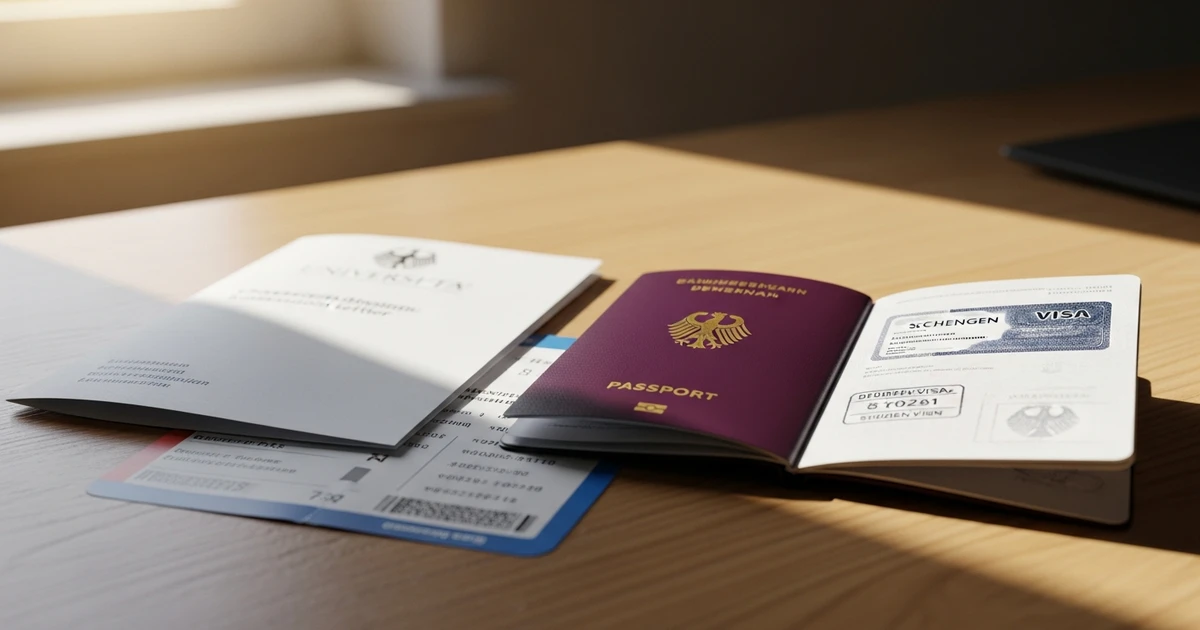
German Citizenship in 2026: The Three Year Fast Track Is Gone and What Replaces It
Germany has closed the fast track to citizenship. The accelerated route that let exceptionally well integrated residents naturalise after only three years was withdrawn in late 2025, and from 2026 almost everyone follows the standard five year path instead. If you are an international student who hopes to build a long future in Germany, this is one of the most important policy shifts to understand before you arrive.
GradGermany is a paid consultancy that guides international students from the first application through to settling in Germany. Citizenship sits years down the road for most students, yet the rules you plan around today shape the choices you make now. Always confirm the current law with an official source such as the Federal Office for Migration and Refugees before you act, because immigration rules are revised often.
What changed in Germany's citizenship law in 2026?
In 2024 Germany reformed its citizenship law, cutting the standard wait from eight years to five and adding a three year fast track for people who showed outstanding integration, strong German, and financial independence. That three year option proved short lived. The last day to apply under it was 30 October 2025, and from 1 November 2025 onward it no longer exists. Throughout 2026 the five year route is the main path to a German passport.
Who can still become German after three years?
One three year route survives. Spouses and registered partners of German citizens can still apply after three years of lawful residence, provided the marriage has lasted long enough and the other conditions are met. This family rule was left untouched by the 2025 change. For everyone else, including graduates who stay on to work, the clock now runs to five years.
What the five year route asks of you
The standard path to citizenship now rests on a clear set of conditions:
- Five years of lawful and ordinary residence in Germany.
- German language ability at roughly B1 level.
- A pass in the naturalisation test on German society, law, and history.
- Financial independence, meaning you can support yourself and any dependants without state welfare.
- A commitment to the free democratic order and a clean criminal record.
Time spent as a student usually counts toward the residence requirement, so the years you spend at a German university are not wasted. Dual citizenship also remains allowed in general, which means many applicants no longer have to give up the passport they were born with.
Why this matters for international students
For students from India, Vietnam, China, and beyond, the message is simple. A German passport is still very much reachable, but you should plan for five years of residence rather than three. That makes the steps after graduation, finding qualified work, holding a stable residence permit, and keeping your paperwork in order, even more important. Each year you remain lawfully in Germany moves you closer to permanent residence first and citizenship later.
Is permanent residence affected too?
No. Permanent residence, known as the settlement permit or Niederlassungserlaubnis, is a separate status from citizenship and the 2025 change did not touch it. Graduates of German universities can often reach permanent residence faster than citizenship, in some cases within about two years of skilled work, and Blue Card holders with German language skills can qualify sooner still. We cover the work route in our guide to the job seeker visa after graduation.
Related guides
Frequently Asked Questions
You probably qualify for more than you think.
Students who get evaluated find programmes they had no idea existed — at universities that charge nothing. 2 minutes, no cost. The only downside is not checking.
Want our guides higher up in Google?
Mark GradGermany as a preferred source and Google gives our pages more room when you search about studying in Germany. Takes one tap, and you can undo it any time from the same screen.
Living this, or on your way to it? Tell your story.
If you are already in Germany and finding it hard, or still fighting to get here, other students need to hear it from someone real. Share your honest journey. We help shape it, and nothing goes live until you approve it.
Free German Quiz · No Login
Can you score 10/10 on today's German challenge?
10 new words every day · 4,500+ words from A1 to C1 · takes about a minute.