Top Universities in Germany for Nepali Students

TL;DR: Everything Nepali students need to know about top universities germany nepali students. Complete guide.
Every year, hundreds of Nepali students search abroad for higher education. While the UK, USA, and Australia have traditionally been popular, Germany has quietly become the most practical and affordable destination for students from Nepal. With free tuition at public universities, world-class engineering programmes, and a strong job market after graduation, Germany offers something no other country can match for students from Nepal.
This comprehensive guide covers everything you need to know about top universities in germany for nepali students. Whether you are just beginning to explore German universities or are preparing to submit your application, this guide walks you through every step of the process. According to DAAD data, over 42,000 international students were enrolled in German universities as of 2025, and the number of Nepali students is growing rapidly each year. The growing recognition of Nepali qualifications and bilateral agreements between Nepal and Germany are making the pathway smoother than ever before. You can free profile evaluation to assess your eligibility and start planning today.
Reviewed by the GradGermany consulting team — last fact-checked September 2026.
Section 1: Overview and Key Information
This comprehensive guide covers everything Nepali students need to know about top universities in germany for nepali students. Studying in Germany is a significant investment in your future. Germany offers unique advantages including free tuition at public universities, internationally recognized degrees, strong employment prospects after graduation, and a clear path to permanent residency. The country has a growing Nepali community and a welcoming environment for international students from all backgrounds. You can browse 20,000+ programmes to explore all available programmes across Germany's 429 universities and over 20,000 degree programmes.
The German higher education system is renowned globally for its rigorous academic standards, research output, and industry connections. German universities consistently rank among the top institutions in the world. In the QS World University Rankings, several German universities appear in the top 100, and many more in the top 200. For Nepali students, this means a degree that carries weight not just in Germany but across the world.
Section 2: Requirements and Preparation
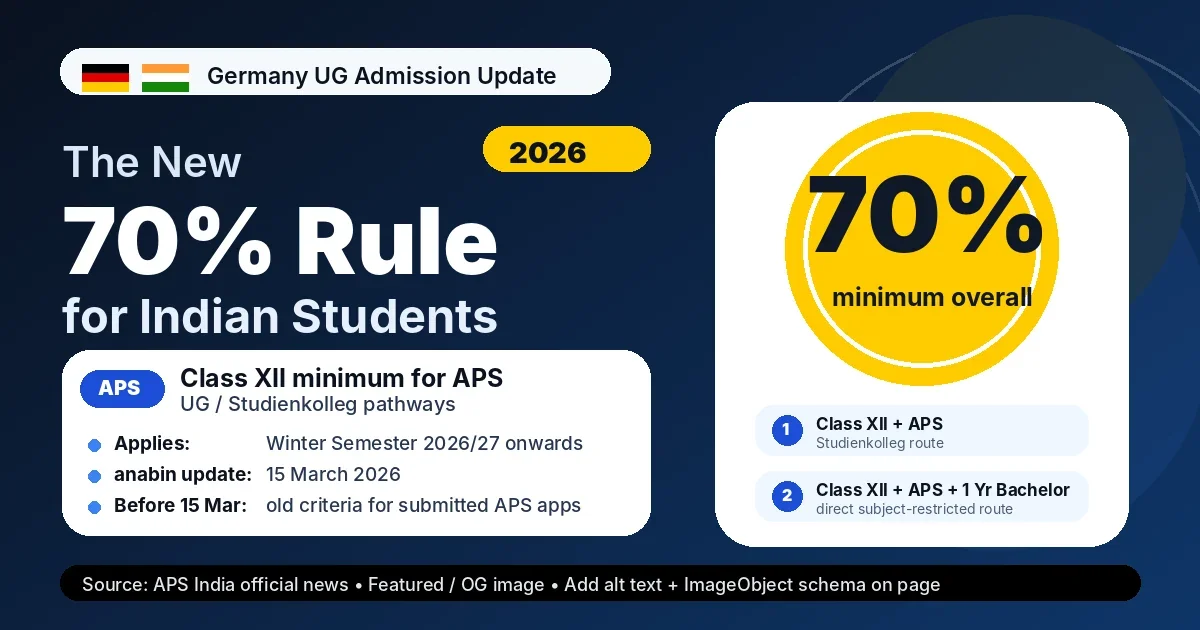
Before starting your application process, ensure you meet the basic requirements. These typically include a recognized bachelor degree from a Nepali university, language proficiency (either English or German depending on the programme), sufficient financial resources to cover your living expenses, and the mandatory APS certificate. Each requirement has specific criteria that vary by programme and university. The application process typically involves checking your degree recognition on anabin, obtaining the APS certificate, taking language tests, preparing documents, submitting applications, opening a blocked account with blocked account setup, and applying for a student visa through student visa processing. Each step builds on the previous one.
The first step is to check your degree recognition on anabin. Your Nepali university should have an H+ or H+/- status for direct admission. If your university has H- status, you may need to attend a Studienkolleg (foundation year) before applying to German universities. This check is crucial because applying to universities that do not recognize your degree will waste time and money. You can browse universities to browse universities and check their specific requirements.
Section 3: Step-by-Step Process
Step 1: Research and shortlist programmes and universities. Use the DAAD course finder and university websites to identify the best fit for your background and goals. Shortlist 5 to 8 programmes across competitive and moderately selective institutions to maximize your chances of admission. Consider factors such as the university's research focus, industry connections, city cost of living, and whether the programme is at a public university.
Step 2: Check your degree recognition on anabin. Look up your Nepali university and check its status. H+ means your degree is directly accepted. H+/- means it is accepted for most programmes but some universities may require additional assessment. H- means you may need to attend a Studienkolleg before applying. Check anabin early to avoid wasting money on applications that will not be considered. The GradGermany glossary provides definitions for all technical terms.
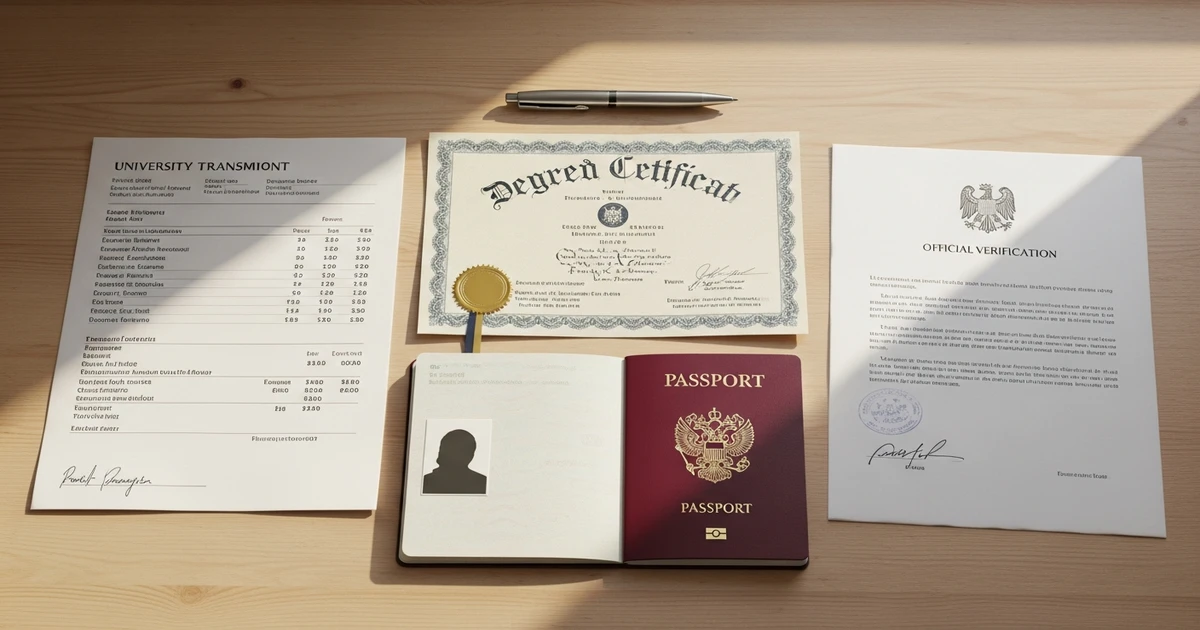
Step 3: Register with APS India and prepare for the interview. Gather all required documents including your 10th and 12th mark sheets, all semester transcripts, degree certificate, and passport copy. The APS certificate costs INR 18,000 and takes 6 to 10 weeks from document submission to interview. The interview is 15 to 20 minutes and covers your coursework and academic background.
Step 4: Take language tests. For English-taught programmes, you will need IELTS (6.0-6.5), TOEFL (80-90), or Duolingo (105-115) scores. For German-taught programmes, you will need TestDaF TDN 4 in all sections or DSH-2. Book your test at least 3 months before application deadlines. Consider German courses to improve your German language skills.
Step 5: Prepare all documents. Your statement of purpose should be 500 to 750 words, tailored to each programme. Your CV should be in Europass or academic format. Letters of recommendation should be on official university letterhead from professors or supervisors.
Step 6: Submit applications through uni-assist or directly to universities. uni-assist processing takes 4 to 6 weeks. Apply at least 6 weeks before the deadline. After receiving admission, open a blocked account with blocked account setup and arrange health insurance. Then apply for the student visa through student visa processing.
Section 4: Tips and Common Mistakes
Tip 1: Start your APS process at least 6 months before the application deadline. The APS certificate takes 6 to 10 weeks, and delays are common during peak season. If you start too late, you will miss the university application deadline and have to wait for the next intake.
Tip 2: Write a unique statement of purpose for every programme. Admissions committees at German universities are experienced enough to recognize generic statements. A non-specific SOP signals low effort and low genuine interest. Each SOP must be tailored to the specific programme.
Tip 3: Submit your uni-assist application at least 6 weeks before the published deadline. uni-assist needs 4 to 6 weeks to process and forward your documents.
Mistake 1: Not checking anabin before applying. Some students apply to 5 to 8 programmes, pay all the fees, and then discover their degree is not recognized. Check anabin early.
Mistake 2: Underestimating visa processing time. The German student visa can take up to 12 weeks during peak season. Use student visa processing for professional assistance if needed.
Section 5: What Happens After Arrival
After arriving in Germany, you must complete your city registration (Anmeldung) within two weeks. This is a legal requirement and is necessary to access many services including banking, health insurance, and public transportation. You will also need to enroll at your university, which involves presenting your admission letter, passport, and Anmeldung certificate. Once enrolled, you will receive a student ID and a Semesterticket for public transportation.
You can also open a German bank account, which makes managing your finances much easier. Many universities offer orientation programs for international students. You can start looking for part-time work (up to 140 full days per year) and explore the many opportunities available. For accommodation, consider accommodation assistance. For language support, check German language courses.
Additional context: The German education system offers unique advantages that make it stand out from other destinations. The combination of free tuition, internationally recognized degrees, and strong industry connections creates opportunities that are hard to find elsewhere. For Nepali students specifically, the growing bilateral agreements between Nepal and Germany mean that the pathway is becoming smoother every year. You can check the browse universities to explore all available universities and their specific admission requirements.
Why plan ahead? The application process for German universities requires careful planning and attention to detail. Each step builds on the previous one, and delays at any stage can push your entire timeline back by months. The APS certificate alone takes 6 to 10 weeks, and uni-assist processing adds another 4 to 6 weeks. Starting your preparation at least 12 months before your intended intake gives you a buffer for unexpected delays and allows you to retake language tests if needed.
| Factor | Details |
|---|---|
| Tuition | EUR 0 (Public) |
| Semester Fee | EUR 150-390 |
| Blocked Account | EUR 11,208 |
| Health Insurance | ~EUR 140/month |
| Work Limit | 140 full days/year |
Additional context: The German education system offers unique advantages that make it stand out from other destinations. The combination of free tuition at public universities, internationally recognized degrees, and strong industry connections creates opportunities that are difficult to find elsewhere. For Nepali students specifically, the growing bilateral agreements between Nepal and Germany mean that the pathway is becoming smoother every year.
Why plan ahead? The application process for German universities requires careful planning and attention to detail. Each step builds on the previous one, and delays at any stage can push your entire timeline back by months. The APS certificate alone takes 6 to 10 weeks, and uni-assist processing adds another 4 to 6 weeks. Starting your preparation at least 12 months before your intended intake gives you a buffer for unexpected delays.
Connecting with the community: One of the most valuable resources for Nepali students in Germany is the existing community. Joining Nepali student associations, participating in cultural events, and connecting with alumni who have already navigated the system can provide invaluable guidance and support throughout your journey.
Sources & further reading
- German Federal Foreign Office
- DAAD
- anabin
- Make it in Germany
- GradGermany — Free profile evaluation
- Scholarships in Germany
- GradGermany Glossary
Getting started today: The journey from Nepal to Germany may seem daunting at first, but thousands of Nepali students have successfully navigated it before you. The key is to start early, follow the steps in order, and never hesitate to seek professional guidance when needed. Every step you complete brings you closer to your goal of studying at a world-class German university without the burden of tuition fees.
Ready to start your journey? free profile evaluation from our Germany education experts, or browse 20,000+ programmes. You can also explore scholarships in Germany or check masters in Germany for more information about studying in Germany.
Frequently Asked Questions
You probably qualify for more than you think.
Students who get evaluated find programmes they had no idea existed — at universities that charge nothing. 2 minutes, no cost. The only downside is not checking.
Want our guides higher up in Google?
Mark GradGermany as a preferred source and Google gives our pages more room when you search about studying in Germany. Takes one tap, and you can undo it any time from the same screen.
Living this, or on your way to it? Tell your story.
If you are already in Germany and finding it hard, or still fighting to get here, other students need to hear it from someone real. Share your honest journey. We help shape it, and nothing goes live until you approve it.
Free German Quiz · No Login
Can you score 10/10 on today's German challenge?
10 new words every day · 4,500+ words from A1 to C1 · takes about a minute.