Which countries speak German, and which ones you can study in
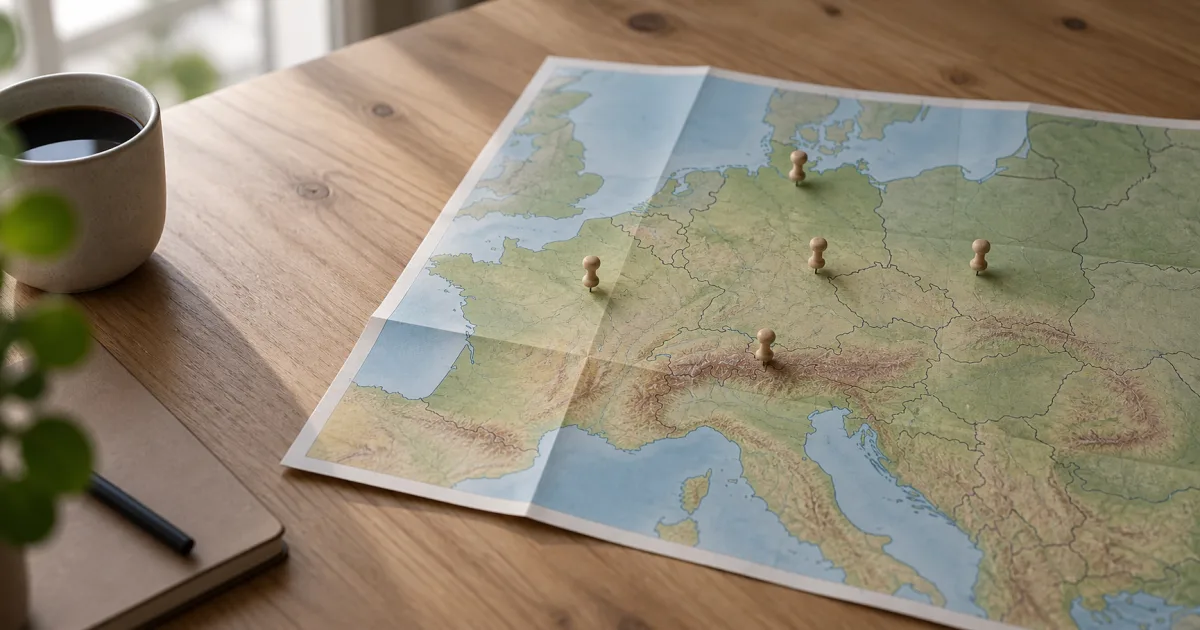
TL;DR: German is an official language in Germany, Austria, Switzerland, Luxembourg and the German-speaking Community of Belgium, and it is the everyday language of Liechtenstein and South Tyrol. Only three of those matter for most degree seekers, and in Germany you can study in English anyway.
The countries where German is official
The question sounds simple and the answer is not a single number, because "official" means different things in different constitutions. In one country German stands alone. In another it shares the job with three more languages. In Belgium it is official for one community of the population rather than the whole country.
| Country | Status of German |
|---|---|
| Germany | Official language, and one of the official languages of the European Union |
| Austria | Official language, also an official EU language |
| Switzerland | One of four national languages, alongside French, Italian and Romansh |
| Luxembourg | One of three official languages, with French and Luxembourgish |
| Belgium | Official in the German-speaking Community in the east, used in the civil service, in schools and in the courts |
Two more places belong on any honest list. Liechtenstein runs on German day to day, and so does South Tyrol in northern Italy, where German sits beside Italian and Ladin. Neither is somewhere most international students end up studying, but both explain why the German-speaking map is larger than the word "Germany".
Which of them you can actually study in
For degree seekers the list shortens fast. Germany, Austria and Switzerland run large university systems that take international students in volume. Luxembourg has one national university. Liechtenstein has a small one. The Belgian German-speaking Community has colleges rather than a research university.
The three big systems differ in ways that matter more than language:
- Germany. Public universities charge no tuition in most states, and there are thousands of English-taught programmes. Start at our complete guide to studying in Germany, or browse accredited programmes directly.
- Austria. Non-EU students pay tuition at public universities, and far more teaching happens in German at Bachelor's level.
- Switzerland. Tuition is modest by global standards but living costs are the highest in the region, and the German-speaking universities expect strong German for undergraduate study.
Does a German-speaking country mean studying in German?
In Germany, no. English-taught degrees are normal, especially at Master's level, and the admission requirement is an English test rather than a German one. Our guide to studying without IELTS covers which universities waive even that.
What German buys you is the rest of your life there: the part-time job, the internship, the paperwork, the flatshare. Students who arrive with zero German usually manage the degree and struggle with the city.
Swiss German, Austrian German and the standard you learn
You will learn standard German, Hochdeutsch, and that is what universities test. Spoken reality varies. Swiss German is a set of dialects distant enough from standard German that German speakers can need subtitles for Swiss television. Austrian German differs in vocabulary and pronunciation without becoming a separate world.
None of this changes your exam preparation. It changes your first month, which is why listening practice beats grammar drills once you land.
What German level each plan needs
| Plan | Realistic German level |
|---|---|
| English-taught Master's in Germany | None required for admission, A1 to A2 for daily life |
| German-taught degree anywhere | B2 to C1, proven with TestDaF or DSH |
| Paid vocational training (Ausbildung) | B1, sometimes B2 in nursing |
| Part-time work with customers | B1 in practice, whatever the advert says |
The ladder itself is explained in our guide to German language levels from A1 to C2, and if you are starting at the bottom, how the A1 exam is marked tells you what passing takes.
Sources
Frequently Asked Questions
You probably qualify for more than you think.
Students who get evaluated find programmes they had no idea existed — at universities that charge nothing. 2 minutes, no cost. The only downside is not checking.
Want our guides higher up in Google?
Mark GradGermany as a preferred source and Google gives our pages more room when you search about studying in Germany. Takes one tap, and you can undo it any time from the same screen.
Living this, or on your way to it? Tell your story.
If you are already in Germany and finding it hard, or still fighting to get here, other students need to hear it from someone real. Share your honest journey. We help shape it, and nothing goes live until you approve it.
Free German Quiz · No Login
Can you score 10/10 on today's German challenge?
10 new words every day · 4,500+ words from A1 to C1 · takes about a minute.