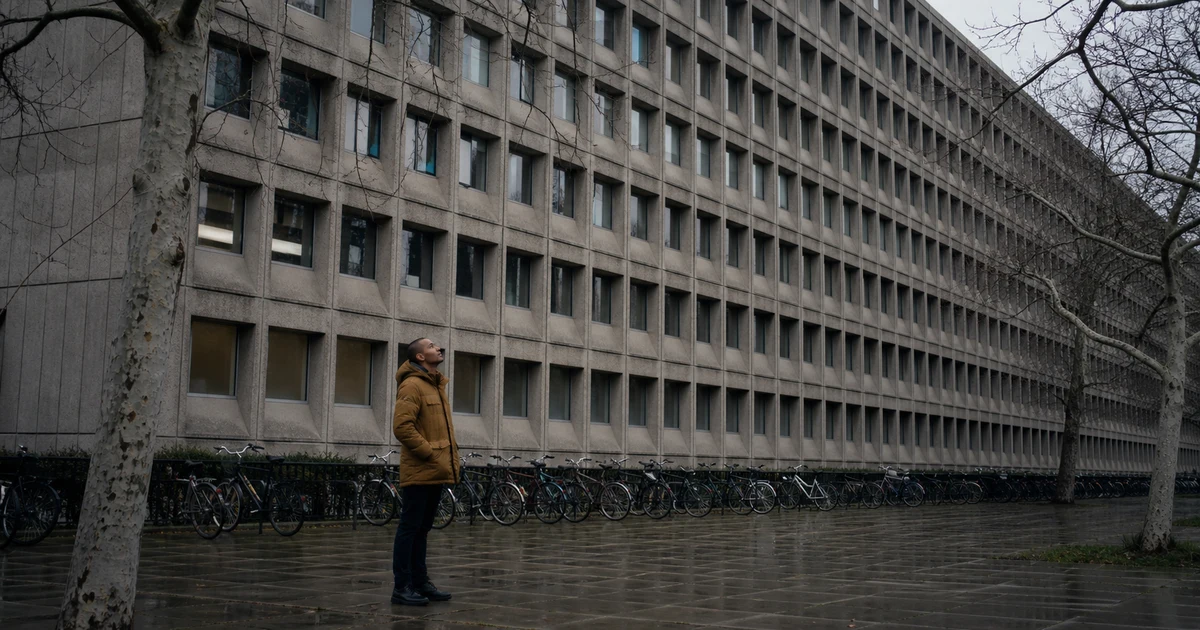
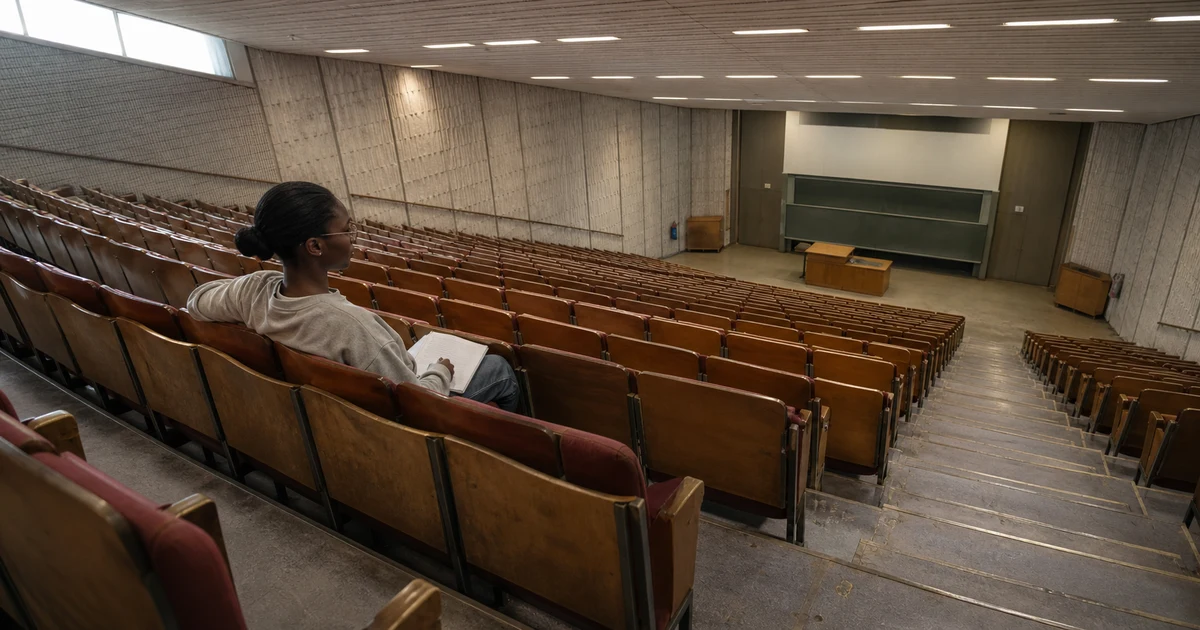
Mechanical Engineering in Germany in English: KIT, OTH & HAW Hamburg
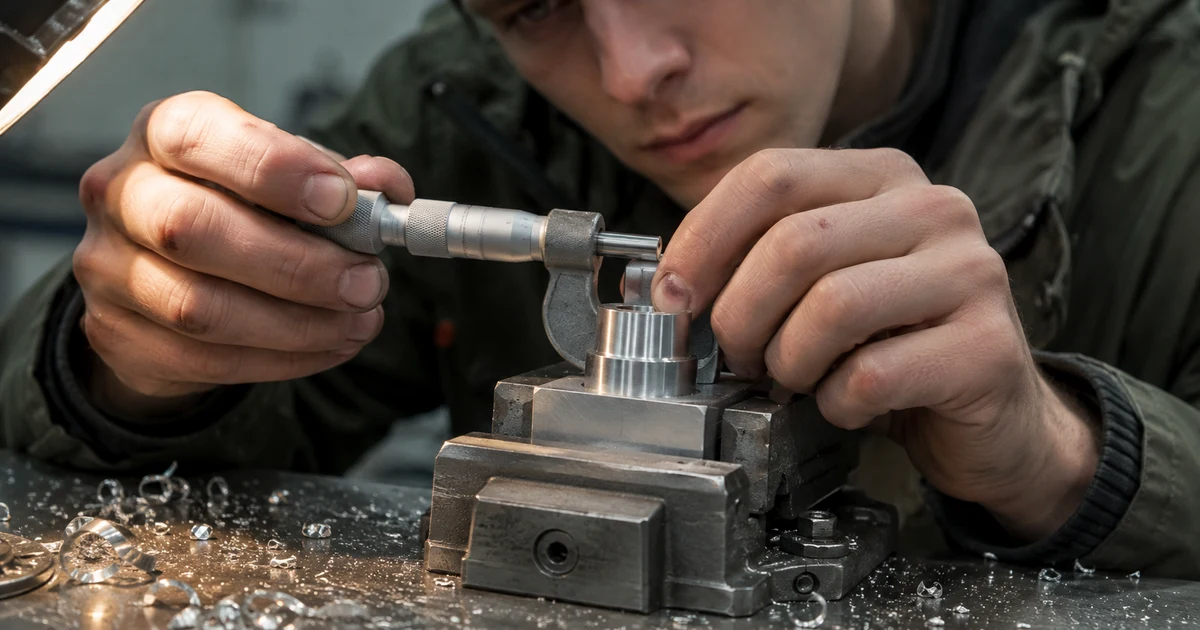
TL;DR: Two routes, and picking the wrong one costs you a year. At KIT the mechanical engineering master's is taught in German or English and asks for German C1 and English B2; the genuinely English-only option there is Mechatronics and Information Technology. KIT is in Baden-Wuerttemberg, so non-EU students pay 1,500 euros/semester. Applied universities such as HAW Hamburg and OTH Regensburg charge no tuition, but check the teaching language programme by programme: HAW Hamburg's automotive master's is German-taught.
Mechanical engineering is the subject Germany is known for, so it is worth being precise about what you are applying to. English-taught master's are scarcer here than in computer science, and the ones that exist split into two different systems: the research-oriented technical universities, and the practice-oriented universities of applied sciences. They lead to different jobs, have different entry bars, and, more often than applicants expect, are not taught in the language the course title suggests.
The research route: what KIT actually asks for
KIT runs a Mechanical Engineering M.Sc. that you can take entirely in German, entirely in English, or in a mix, because individual modules are offered in one language or the other. That flexibility comes with a price most guides never mention: the programme requires German at level C1 and English at level B2. If you have no German, this is not the programme you are applying to, whatever you have read about studying in Germany in English.
The rest of the entry bar is unusually explicit, which is a gift when you are comparing yourself against it. You need a bachelor's in engineering or natural sciences worth at least 180 ECTS with a standard study period of at least three years, and inside it a documented 37 ECTS of engineering fundamentals, 26 ECTS of application-related fundamentals and 12 ECTS of electrical engineering and information technology fundamentals. There is also a professional internship of at least twelve weeks. Note what is not on that list: a minimum grade. The programme is not admission-restricted, so a transcript that covers the modules is the test, not a converted decimal.
The deadlines split by nationality, and non-EU applicants get the earlier one: 15 July for the winter semester and 15 January for the summer, against 30 September and 31 March for German and EU applicants. Two and a half months is easy to lose if you are working from a general "apply by July 15" rule.
The English-only option at KIT
If German is genuinely not on your timetable, KIT's Mechatronics and Information Technology M.Sc. is the one to look at. It is taught in English, runs four semesters and 120 credit points, and asks for English at B2, evidenced by TOEFL iBT 90 or above, IELTS 6.5 or above overall, Cambridge B2 First or another certificate named in the admission regulations. No German certificate is required.
The module requirements are stated as minimum credit points rather than as a subject list: electrical engineering and information technology 6 CP, technical mechanics and thermodynamics 6 CP, higher mathematics 21 CP and control engineering 6 CP, on top of a bachelor's of at least 180 ECTS over at least three years. Lay your transcript next to those four lines before you write anything else. Similar research options are listed in the TU9 universities guide.
What KIT costs per semester
Baden-Wuerttemberg charges non-EU students 1,500 euros a semester for a first degree, and KIT states 650 euros a semester for a second degree. On top of that everyone pays an administrative charge of 80 euros a semester, raised from 70 euros in the 2025 summer semester, a Studierendenwerk contribution of 92 euros which includes liability insurance, and a student union fee of 12 euros. A non-EU first-degree student is therefore looking at about 1,684 euros per semester before rent.
One consequence catches people at the visa stage rather than the application stage: the German missions in India require that the first two semesters of tuition are paid before a student visa is issued. On a Baden-Wuerttemberg programme that is 3,000 euros to find on top of the blocked account, not after you arrive.
The applied route, and the language trap inside it
Universities of applied sciences (HAW/FH) teach practical mechanical and mechatronics master's built around industry projects, and they are usually easier to enter than the TU9 programmes. They also charge no tuition in most states: HAW Hamburg's semester contribution for winter 2026/27 is 397 euros in total, made up of 101 euros for the Studierendenwerk, 19.10 euros for the students' union, 226.80 euros for the semester public transport ticket, 0.10 euros for the hardship fund and a 50 euros administrative fee.
The trap is the teaching language. HAW Hamburg's Automotive Engineering M.Sc. reads like an obvious target for an international mechanical graduate, and it is taught in German, with German C1 and English B1 required. The English-taught master's in the same faculty area is Information and Communications Engineering, which takes graduates of electrical engineering, information engineering, renewable energy systems, computer science for technical systems and energy management, or mechatronics, and asks only for English at B2. Both run three semesters, with applications from 1 June to 15 July for the winter semester and 1 December to 15 January for the summer.
OTH Regensburg works the same way and its course finder lets you filter by degree and course language, which is the only reliable way to see which of its master's are English-taught this year. Filter first, then read the entry requirements, then apply. See how applied and research universities differ in Germany.
The three-year bachelor problem at applied universities
This one decides whether you finish in three semesters or five. HAW Hamburg's master's are built on a bachelor's of at least three and a half years and 210 credit points. If yours is a three-year, 180-ECTS degree, you are not rejected: on Automotive Engineering you complete an additional 30 credit points in an initial semester before full enrolment, and on Information and Communications Engineering you earn those 30 credit points within the first two semesters.
Read that as a real cost, in rent and in visa months, not as a footnote. It is also why the same applicant can be a straightforward admit at KIT, where 180 ECTS over three years is enough, and a five-semester project at an applied university. More on this in what a three-year degree gets you in Germany.
| Programme | Language | Entry | Tuition |
|---|---|---|---|
| KIT Mechanical Engineering M.Sc. | German or English | German C1 + English B2, 180 ECTS, 12-week internship | 1,500 euros/sem non-EU |
| KIT Mechatronics and Information Technology M.Sc. | English | English B2, IELTS 6.5 or TOEFL iBT 90 | 1,500 euros/sem non-EU |
| HAW Hamburg Automotive Engineering M.Sc. | German | German C1 + English B1, 210 CP | No tuition, 397 euros/sem contribution |
| HAW Hamburg Information and Communications Engineering M.Sc. | English | English B2, 210 CP or make up 30 CP | No tuition, 397 euros/sem contribution |
What both routes require
- A bachelor's in mechanical or a related engineering field, with the mathematics and mechanics credits documented module by module.
- A language certificate that matches the programme, not the country. Check whether German is required before you shortlist.
- APS if you studied in India, China, Vietnam or Mongolia. See the APS process in all four countries.
- A uni-assist application where the university uses it: 75 euros for the first course of study in a semester and 30 euros for each further one, non-refundable whatever the outcome.
German: study in English, work in German
An English-taught programme gets you into the country and through the degree. It does not get you through a hiring process at a mid-sized machinery firm, where the working language is German and always has been. Plan on reaching B1-B2 while you study, not afterwards. The sector-by-sector picture is in how far you get in the German job market without German.
Careers and staying on
Mechanical graduates are employable across automotive, machinery and automation. A Werkstudent role or a substantial internship during the degree is what usually converts into an offer, and KIT's twelve-week internship requirement means you may arrive with one already done. After graduation you get the 18-month job-seeker visa, then a work permit, then permanent residence in about four years. See the student work rules and the post-study visa.
Sources
- KIT Mechanical Engineering M.Sc.
- KIT Mechatronics and Information Technology M.Sc.
- KIT charges and fees
- HAW Hamburg fees and contributions
- OTH Regensburg course overview
Thinking mechanical engineering? Get a free profile evaluation to match your bachelor's to the right mechanical master's, in the right language.
Frequently Asked Questions
You probably qualify for more than you think.
Students who get evaluated find programmes they had no idea existed — at universities that charge nothing. 2 minutes, no cost. The only downside is not checking.
Want our guides higher up in Google?
Mark GradGermany as a preferred source and Google gives our pages more room when you search about studying in Germany. Takes one tap, and you can undo it any time from the same screen.
Living this, or on your way to it? Tell your story.
If you are already in Germany and finding it hard, or still fighting to get here, other students need to hear it from someone real. Share your honest journey. We help shape it, and nothing goes live until you approve it.
Free German Quiz · No Login
Can you score 10/10 on today's German challenge?
10 new words every day · 4,500+ words from A1 to C1 · takes about a minute.