Universities in Berlin Accepting Internationals: TU, FU, HU, HTW Routes
TL;DR: Berlin has four realistic routes for international students: TU Berlin for engineering and CS, FU and HU Berlin for humanities, law and the sciences, and HTW Berlin for applied degrees. All four are public and charge no tuition, only a semester fee of around EUR 377 to 379. Your subject picks the university, and the English-taught master's deadlines close first.
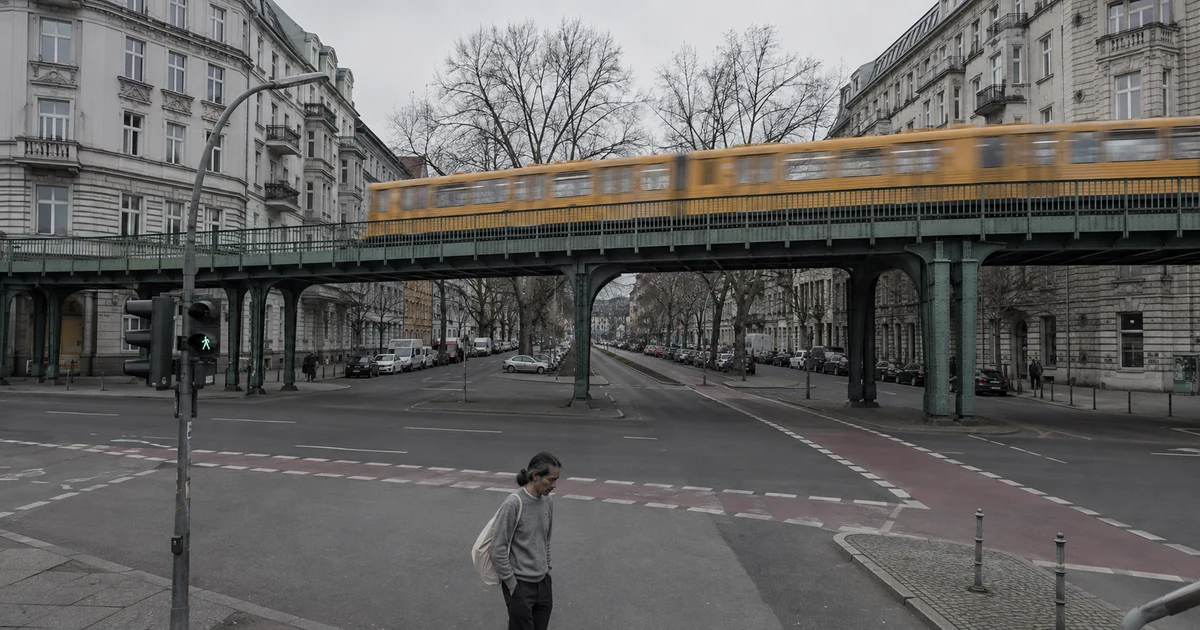
Berlin is not one university town. It is four institutions with genuinely different jobs, and applying to the wrong one is how strong candidates get rejected in a city that would otherwise have taken them. Sort your subject first, then the admissions route.
| University | Strengths | Entry |
|---|---|---|
| TU Berlin | Engineering, CS | Selective |
| FU Berlin | Humanities, sciences | Competitive |
| HU Berlin | Law, econ, classics | Competitive |
| HTW Berlin | Applied, design | Milder |
TU Berlin, if you are an engineer
Technische Universitaet Berlin covers engineering, computer science, mathematics and the fields around them, with a deep bench of English-taught master's. Most international applications route through uni-assist, which means the timeline is longer than the deadline suggests. See how to apply to TU Berlin through uni-assist.
The deadlines are the part people get wrong, because the English-taught master's programmes close first. For winter semester 2026/27 TU Berlin takes applications to English-language master's with restricted admission from 1 April to 15 May 2026, while the German-language ones run to 15 June and open-admission programmes to 31 August. Bachelor's applications with a foreign school qualification run from 1 June to 15 July for restricted-admission programmes. An applicant who works to the bachelor's calendar misses the English master's window by two months.
TU Berlin treats these as limitation periods, which is a legal term with teeth: anything submitted late is disregarded, and there is no discretionary extension. Where documents go by post, the date TU Berlin receives them counts, not the postmark. Applicants with international credentials need a VPD from uni-assist on top of the application itself, and TU's own advice is to request it as early as possible because processing runs several weeks.
FU Berlin, for humanities and the sciences
The Freie Universitaet is the strong option outside engineering: humanities, social sciences, law and the natural sciences, with a large number of English-taught graduate programs and one of the biggest international communities in the country. Public, no tuition.
German is where FU applications fail, and its rules are unusually explicit. To apply you need German at C1, evidenced by DSH 1, TestDaF at 4/4/3/3, telc C1-Hochschule graded "befriedigend" or "ausreichend", or an OnSET result at C1. To enrol the bar rises to DSH 2, TestDaF level 4 in all four parts, telc C1-Hochschule at "gut", the Goethe C2 certificate, DSD II at C1 throughout, or the Feststellungspruefung. Deutsche Philologie and the Deutschsprachige Literatur master's want TestDaF 5 across the board or DSH 3. Every certificate must be under three years old, with the German Abitur the only exception.
Two consequences worth planning around. If you meet the application bar but not the enrolment bar, FU lets you sit its own DSH after admission rather than rejecting you. And some English-taught master's still ask for German: the Interdisciplinary Latin American Studies master's wants B2 at application, and Biology and Biodiversity ask for A1.
HU Berlin, the classical research university
Read Also: Study in English, Learn German Later: Free German University Courses
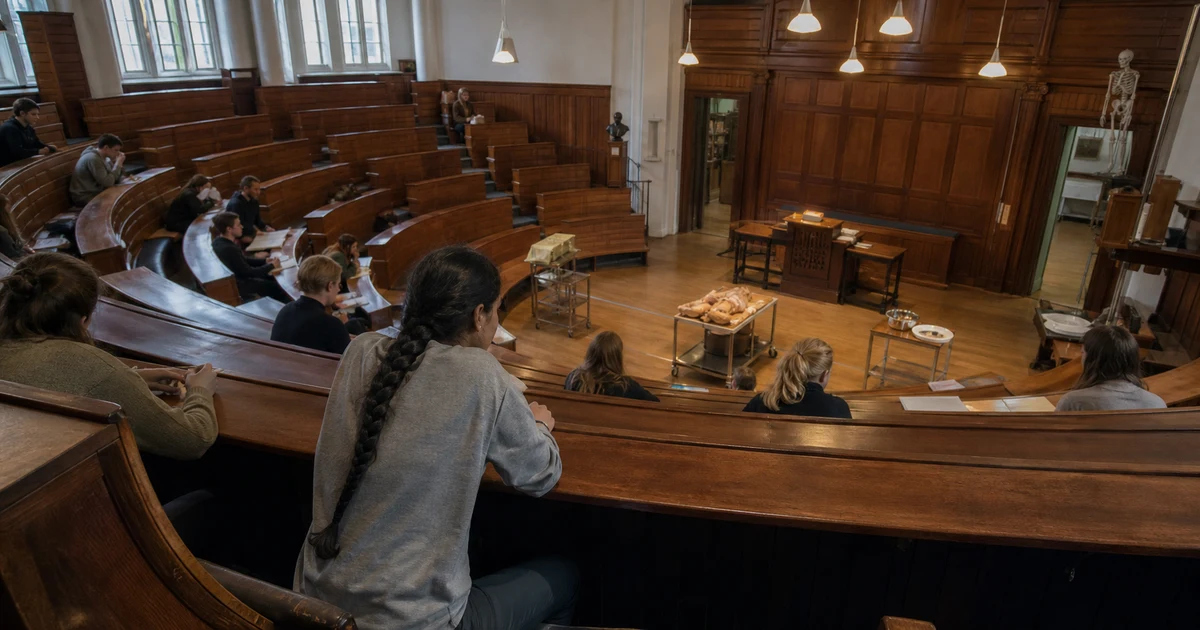
Humboldt Universitaet is Berlin's oldest and it feels it, in a good way. Law, economics, classics, humanities and the sciences, taught in a central campus with a traditional research culture. English programs exist mainly at master's level. Also public and free.
HTW Berlin, the realistic route
HTW Berlin is a university of applied sciences with around 80 degree programmes: practical, project-based bachelor's and master's in business, engineering, computing and design, a good share of them in English. Admission is usually more accessible than at TU, FU or HU, which makes it the route that actually works for a lot of applicants who would be borderline elsewhere. It is not a lesser degree, it is a different kind of degree. See how applied and research universities differ in Germany.
HTW publishes the cleanest test of which route you are on. You apply through uni-assist only if both are true: you hold no EU or EEA citizenship, and you earned your school qualification or first degree outside Germany. You apply directly to HTW if you hold a German entrance qualification, hold EU or EEA citizenship, are switching programme within HTW, are applying to a higher subject semester, or finished a German Studienkolleg. Restricted-admission programmes also need a Hochschulstart registration.
Watch the calendar gap. For winter semester intake, HTW's restricted-admission bachelor's applications run 15 May to 15 July through its own portal but only 1 May to 30 June through uni-assist. Master's applications close 15 June either way. The uni-assist route closes earlier, and it is the route international applicants are on.
Who uses uni-assist, and what it costs
TU Berlin and a number of programs elsewhere route international applications through uni-assist, which issues the VPD for EUR 75 plus EUR 30 per additional application in the same cycle. FU and HU handle some programs themselves and send others to uni-assist, so check per program rather than per university. See how a uni-assist application works step by step.
What you need in the file
- A relevant bachelor's with good grades and modules that match the program's prerequisites.
- English proof for English-taught programs, or DSH-2 or TestDaF for German-taught ones.
- An APS certificate for India, China, Vietnam and Mongolia: see how the APS certificate works for Indian applicants.
- A VPD from uni-assist where the university asks for one, requested weeks before the application deadline rather than days.
What Berlin costs
No tuition at any of the four. What you do pay is the semester fee, and it is not small. TU Berlin charges EUR 379.06 for winter semester 2026/27: 50.00 administrative fee, 14.56 to the student body, 85.00 to the studierendenWERK, 226.80 for the Deutschlandsemesterticket and 2.70 to its social fund. FU Berlin comes to EUR 376.80 the same semester on the same pattern. Both add a late fee of 19.94 if you re-register after the deadline. The ticket is the bulk of it, and it is a national travel pass, not a Berlin one.
On top of that, budget 900 to 1,200 euros a month to live, plus the 11,904 euros blocked-account deposit for the visa. Berlin rent is no longer the bargain it was a decade ago, so budget from current listings rather than from an old blog post. See what a year in Germany actually costs an Indian student and how to open a blocked account.
Working during and after
Part-time work is allowed up to 140 full days or 280 half days a year, and Berlin's tech and creative employers hire in English, which makes student jobs easier to find here than in most German cities. After graduation, the 18-month job-seeker visa gives you room to convert that into a work permit and later permanent residence. See the rules on working during your studies and what the 18-month job-seeker visa lets you do.
Sources
- TU Berlin: dates and deadlines
- TU Berlin: semester fees
- FU Berlin: German language requirements
- FU Berlin: fees and contributions
- HTW Berlin: application periods
- HU Berlin
Not sure which of the four fits your subject? A free profile evaluation will match your background to the right Berlin route. For technical universities beyond Berlin, see the TU9 technical universities compared.
Frequently Asked Questions
You probably qualify for more than you think.
Students who get evaluated find programmes they had no idea existed — at universities that charge nothing. 2 minutes, no cost. The only downside is not checking.
Want our guides higher up in Google?
Mark GradGermany as a preferred source and Google gives our pages more room when you search about studying in Germany. Takes one tap, and you can undo it any time from the same screen.
Get new guides as soon as they go live
Add our feed to Feedly, Inoreader or any RSS reader and every new guide on studying in Germany shows up there by itself. No email, no sign-up.
Living this, or on your way to it? Tell your story.
If you are already in Germany and finding it hard, or still fighting to get here, other students need to hear it from someone real. Share your honest journey. We help shape it, and nothing goes live until you approve it.
Free German Quiz · No Login
Can you score 10/10 on today's German challenge?
10 new words every day · 4,500+ words from A1 to C1 · takes about a minute.