Study in Germany After B.Tech/BE: Best Masters Options
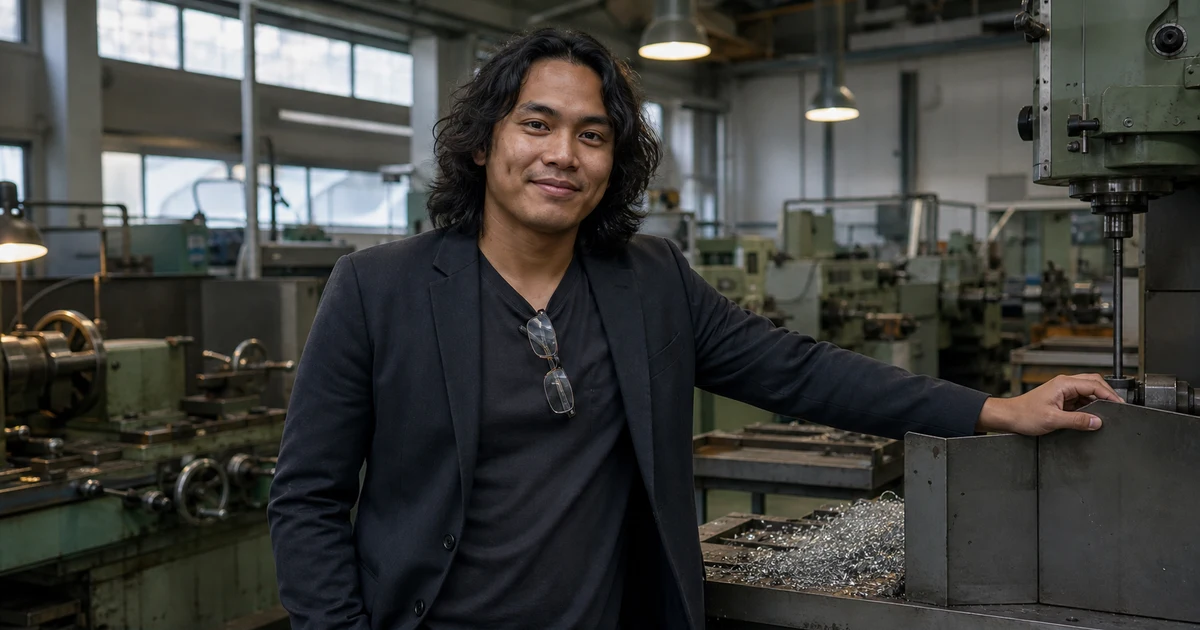
TL;DR: German master's are consecutive, so your B.Tech branch has to match the master's branch. Get that right and a 60-70%+ result with IELTS 6.0-7.0 puts tuition-free English-taught master's at TU9 universities within reach, in computer science, mechanical, electrical, automotive or renewable energy. Two of the best-known names are no longer free: TUM charges non-EU master's students thousands per semester and Baden-Wuerttemberg charges 1,500 euros.
Engineers are Germany's most wanted graduates, which is why B.Tech and BE holders get in at a rate that surprises them. The one thing that trips them up is assuming any engineering degree opens any engineering master's. It does not.
Your branch decides the shortlist, not your CGPA
A German master's is consecutive: it continues the subject you already studied. An electronics graduate applying for a mechanical master's normally gets rejected regardless of marks. Beyond the branch label, admissions offices read your module list, and missing prerequisites are one of the most common rejection reasons for otherwise strong engineers. Check the deadlines while you are at it, in how the winter and summer intakes differ.
The practical version of that check takes an evening. Open the programme's module handbook, find the list of subject areas it assumes you already covered, and put your own transcript next to it. Count the credits you hold in each area rather than trusting the course title. A "Computer Science" master's that assumes a formal theory and algorithms base will not be satisfied by an IT degree heavy on applications and light on discrete mathematics, and the rejection letter will say so in one line without telling you which line to fix.
| B.Tech branch | Best German master's match |
|---|---|
| CS / IT | CS, Data Science, AI |
| Mechanical | Mechanical, Automotive |
| Electrical | Electrical, Mechatronics |
| Civil | Structural, Construction Mgmt |
| Chemical | Chemical, Process Engineering |
The fields that take the most B.Tech graduates
- Computer science and data science. The deepest pool of English-taught options. Start with the CS master's guide and where to study data science.
- Mechanical engineering. The classic German strength, and strongest at RWTH Aachen and KIT.
- Electrical and mechatronics. Built around automation and Industry 4.0 work.
- Automotive engineering. You are studying next door to the manufacturers.
- Renewable energy. See renewable energy programs in Germany.
What grade you need
Bars differ by university, but aim for 60-70% or better, which is roughly a CGPA of 6.5-7.0+ out of 10 in Indian terms, with the core subjects strong rather than the electives. Competitive TU9 master's rank applicants against each other, so pair one or two of them with programs you clearly clear. Convert your marks properly first using the German grade conversion guide, and read which universities are in TU9 before you decide what counts as a reach.
You can do all of this in English
Most B.Tech and BE applicants take English-taught master's on IELTS 6.0-7.0, and some programs offer a German-taught track alongside. Browse the English-taught program list, or the routes that skip IELTS entirely if you have a medium-of-instruction letter.
One warning about which test you sit. The German Missions in India recognise IELTS and other ALTE members for English, and Goethe-Institut or Max Mueller Bhavan, OeSD and telc for German. Duolingo, Pearson PTE and the TOEFL home edition are explicitly not recognised for applications made in India. A university may admit you on a test the mission will not accept at the visa stage, and the visa is the step you cannot appeal in India any more.
Budget for uni-assist before you budget for anything else
Many engineering master's route their international applications through uni-assist rather than their own portal, and uni-assist charges per programme, not per applicant. The first course of study you choose in a semester costs EUR 75, and every further course in that same semester costs EUR 30. Reapply in a later semester and the first-course fee resets to EUR 75 again.
So a shortlist of six programmes through uni-assist is 75 plus five times 30, which is 225 euros, before a single university has read your file. The fees are due regardless of the result, so a badly targeted list is money as well as time. Build the list around the module match, apply for the whole batch in one semester rather than trickling applications across two, and put your reach programmes and your safe programmes in the same submission.
APS for Indian engineers
An APS certificate is compulsory for Indian applicants. At master's level it verifies your B.Tech, not the class-XII threshold that applies to school-leavers, but the appointment queue is long enough that late starters miss intakes over it. Book it as soon as your final semester results are in. The exemptions the German Missions list are narrow: PhD or postdoctoral study, a scholarship from EU or German public funds, studies leading to a non-German degree, a foreign degree that is not Indian, or an international school-leaving qualification. The APS process, step by step has the document list.
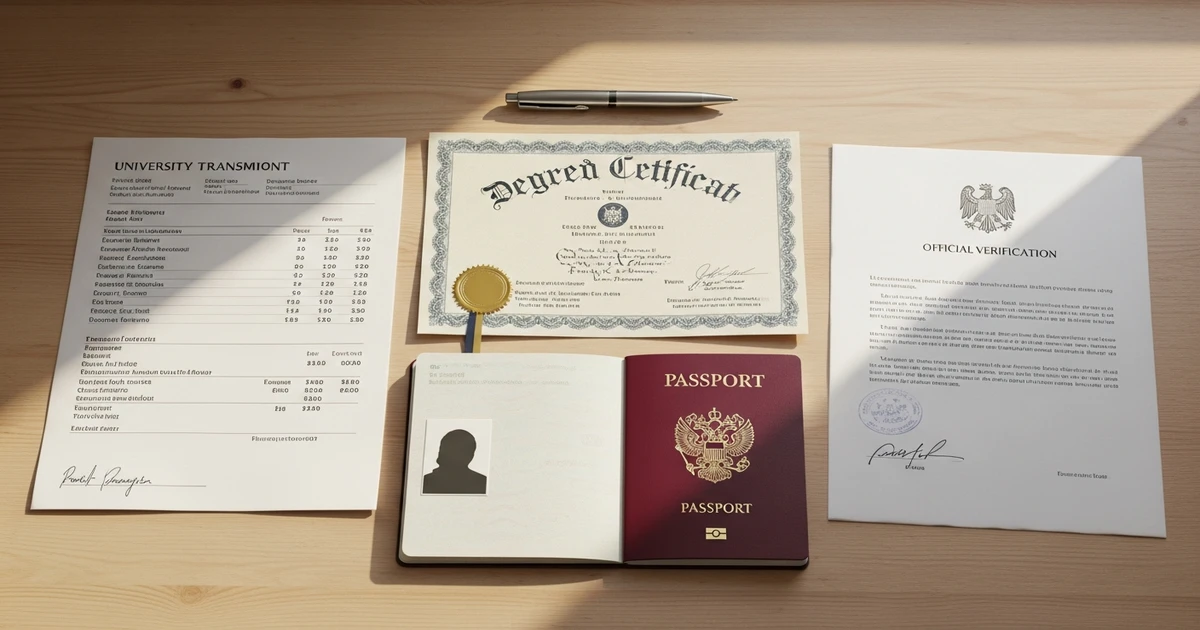
Have the transcript layer ready at the same time. For a master's application the German mission wants your degree certificate plus a mark sheet for every semester, not a consolidated statement, and it wants originals or copies certified by a German authority. Attestation or apostille by Indian authorities is not recognised, so do not pay for it.
What the degree costs
Most public technical universities still charge no tuition, but the two best-known exceptions are large enough to change a plan. TUM charges students from outside the EU and EEA tuition on top of the semester fee for anyone newly enrolling from winter semester 2024/25 onward: usually 2,000 or 3,000 euros per semester for a bachelor's and usually 4,000 or 6,000 euros per semester for a master's, with the exact figure set per programme. Baden-Wuerttemberg, which covers KIT and Stuttgart, charges non-EU students 1,500 euros per semester.
Run that arithmetic before you fall in love with a brand. A two-year master's at TUM in the 6,000 euro band is 24,000 euros of tuition; the same subject at a no-fee TU9 university is zero. Add living costs of 900-1,200 euros a month and the 11,904 euros you must park in a blocked account for the visa. DAAD funding and the Deutschlandstipendium cover part of it. The rupee arithmetic is in what a year in Germany actually costs.
Werkstudent work, and the job after
You can work 140 full days or 280 half days a year at the 13.90 euros/hour minimum wage. Aim it at a Werkstudent role inside an engineering firm rather than a cafe: that is the job that turns into a graduate offer. After the degree, the 18-month job-seeker visa plus steady engineering demand makes staying realistic. Details in the student work rules and the post-study visa guide.
Sources
- uni-assist: handling fees
- TUM: tuition fees for students from non-EU countries
- KIT: Baden-Wuerttemberg tuition fees
- German Missions in India: student visa document checklist
- DAAD
- TU9
Ready to map your B.Tech to a German master's? Get a free profile evaluation from the GradGermany team.
Frequently Asked Questions
You probably qualify for more than you think.
Students who get evaluated find programmes they had no idea existed — at universities that charge nothing. 2 minutes, no cost. The only downside is not checking.
Want our guides higher up in Google?
Mark GradGermany as a preferred source and Google gives our pages more room when you search about studying in Germany. Takes one tap, and you can undo it any time from the same screen.
Living this, or on your way to it? Tell your story.
If you are already in Germany and finding it hard, or still fighting to get here, other students need to hear it from someone real. Share your honest journey. We help shape it, and nothing goes live until you approve it.
Free German Quiz · No Login
Can you score 10/10 on today's German challenge?
10 new words every day · 4,500+ words from A1 to C1 · takes about a minute.
Related Articles
Study in Germany
Judaistik, M.A.
Johann Wolfgang Goethe-Universität, Frankfurt am Main
Frankfurt am Main
B.Sc.Ökotrophologie, B.Sc.
Justus-Liebig-Universität Gießen
Gießen
B.A.Filmmaking, B.A.
Macromedia University of Applied Sciences
Berlin, München, Stuttgart, Freiburg, Hamburg, Frankfurt am Main, Leipzig, Köln